




·
Children's speech therapist in Almaty: when to bring your child and how a specialist can help
When a child does not speak in phrases by age three or confuses sounds at age five, parents often wait for it to "go away on its own." Every day I see how early consultation with a specialist shortens the path to clear speech by two to three times. At our center in Almaty, we help children from age 2 and teenagers — from speech initiation to writing correction. I'll explain how to know when it's time and what we do in sessions.
When to take your child to a pediatric speech therapist
Many parents come to us asking, "Isn't it too early?" My answer is always the same: it's better to check early than to make up for lost time. Speech development has clear age-related milestones, and deviation from them is a signal. We see children brought in at age 4 with a complete lack of phrases, and those brought in at age 2 with a mild delay — the difference in prognosis and timeline is enormous.
Speech norms from one to seven years
To help you get your bearings, I've compiled a table of key stages. These are average data for children growing up in a Russian-speaking environment in Almaty.
| Age | Normal | Warning sign |
|---|---|---|
| 1 year | 5-10 babbling words, understands simple requests | No babbling or cooing, does not respond to their name |
| 2 years | Two-word phrase (give ball), vocabulary of 50-200 words | A speech therapist is needed for a 2-year-old child if there is not a single meaningful word |
| 3 years | Phrase of 3–4 words, questions arise, vocabulary 500+ words | The child speaks only in syllables or does not understand spoken language |
| 4 years old | Clear pronunciation of most sounds except R and sibilants, retelling short events | A speech therapist for a 4-year-old child is needed for mouth breathing, sound substitutions, and a limited vocabulary. |
| 5 years | All sounds are normal, coherent speech, readiness for learning | Difficulty with retelling, persistent sound distortions |
| 6-7 years old | Phonemic hearing is developed, reads syllables, writes in block letters | Confuses letters in writing, does not distinguish hard-soft consonants, has difficulty memorizing poems |
Non-speaking child aged 2-3: what to do
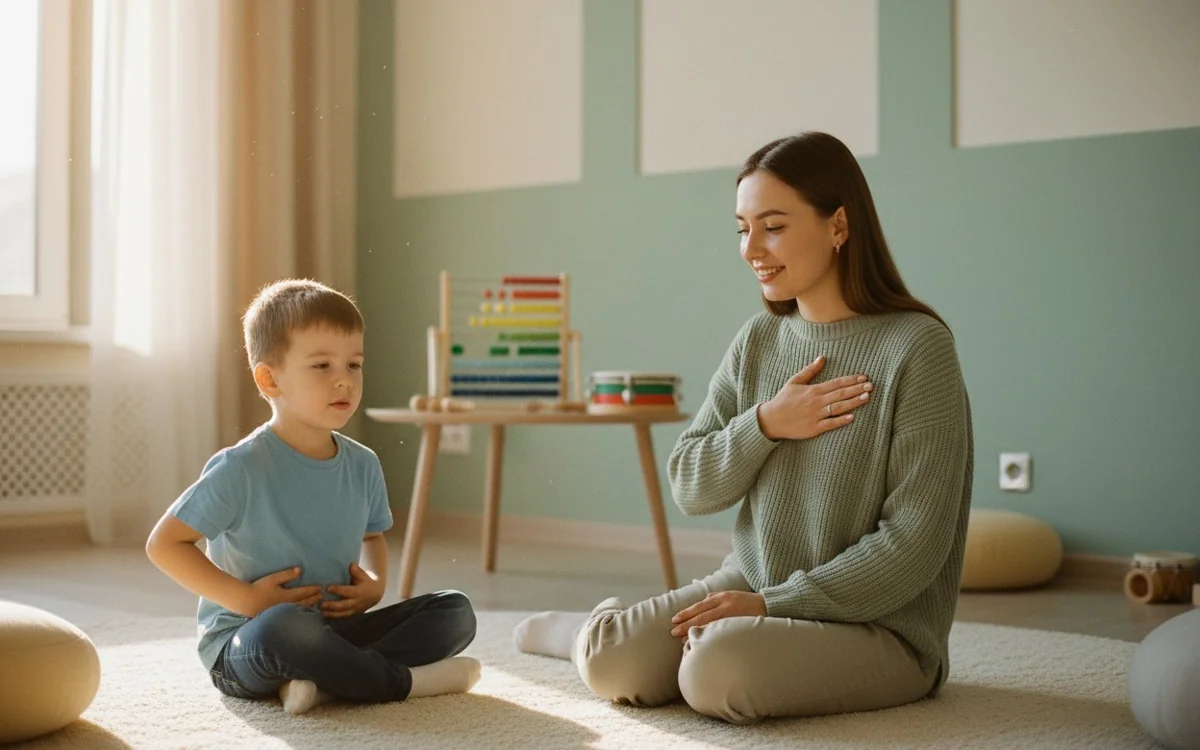
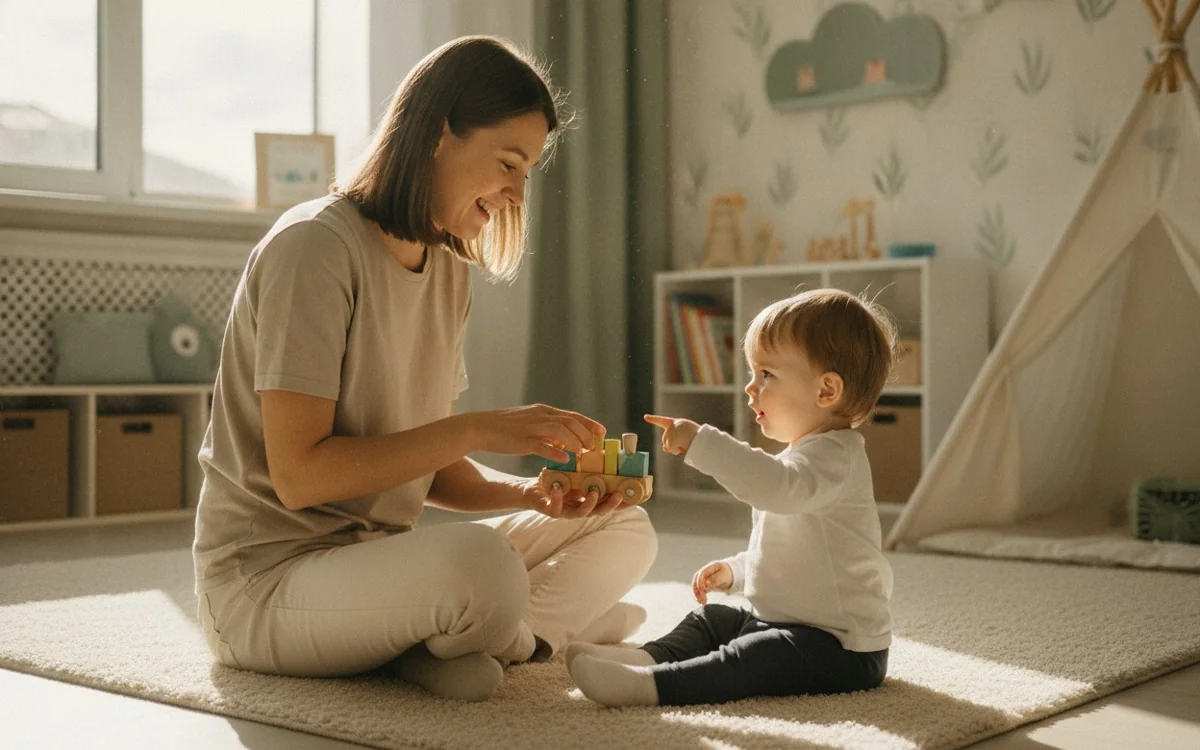
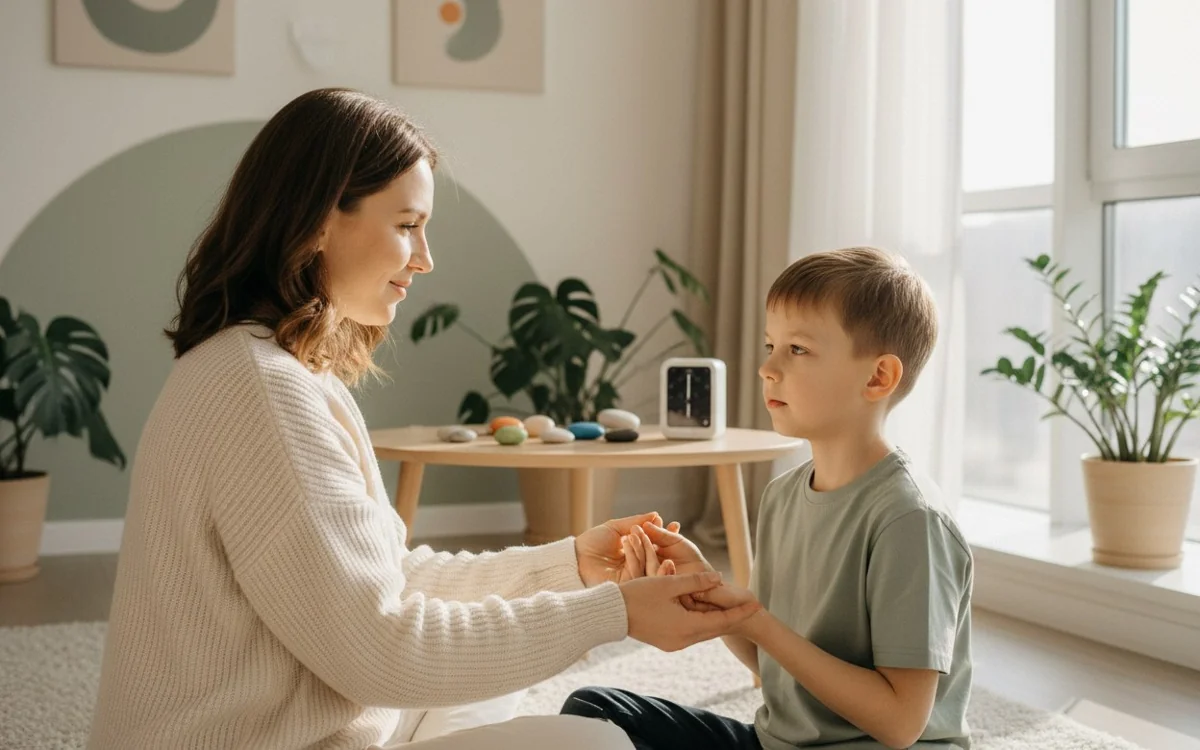
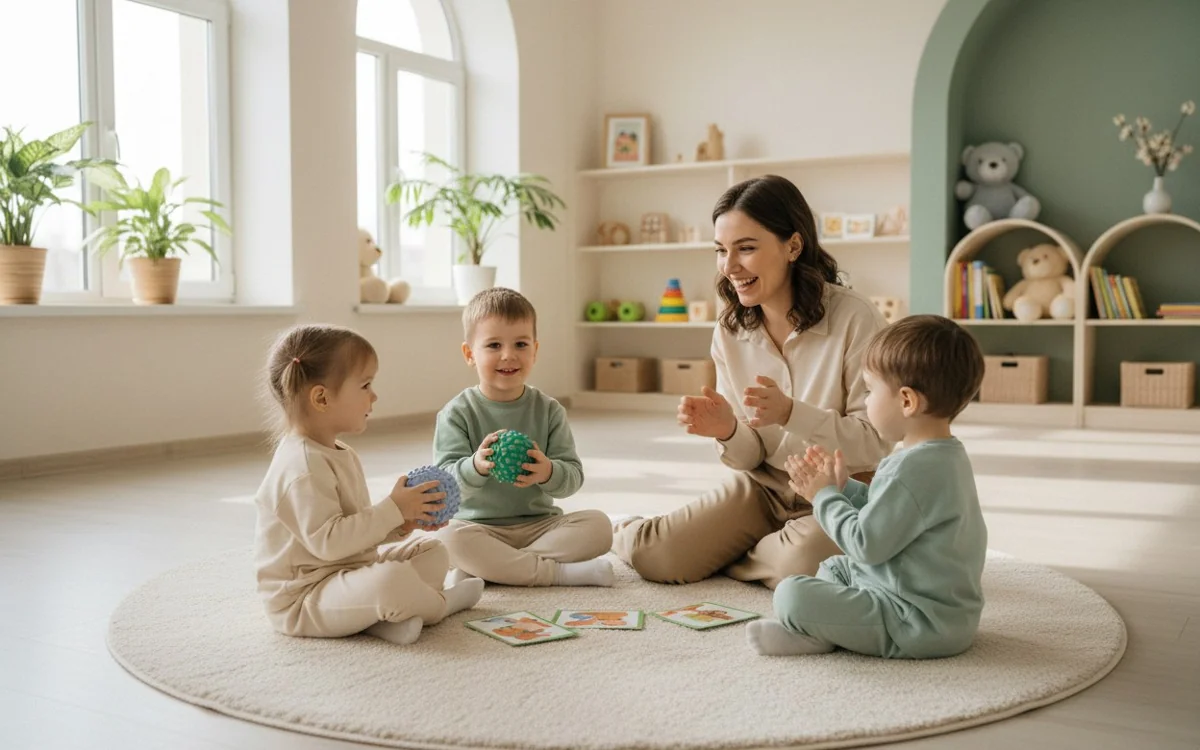
When a child is silent or only uses gestures at age 2, waiting until age 3 is a mistake. A speech therapist's session with a non-speaking child is structured differently than with a speaking one: we don't work on sounds, but rather kickstart the speech mechanism. Our speech therapists work through sensory stimulation, eliciting onomatopoeia, and emotional engagement. A session with a non-speaking child lasts 30-40 minutes but requires high activity from the specialist. We use speech rhythmics, finger massage, and articulation exercises in a playful form. If a child does not say 10-15 words by age 2.5, I advise not to delay the visit. Sessions for non-speaking children at our center typically yield first words within 2-4 months with a regularity of 2 times a week.
Sound distortion in children aged 4–5
At age 4, "mumbling" is not a normal variant, but a reason for consultation. A speech therapist for a 4-year-old child assesses not only pronunciation but also phonemic awareness: whether the child distinguishes similar sounds. If a child says "tothbrush" instead of "toothbrush" or "wabbit" instead of "rabbit," this is dyslalia or mild dysarthria. We start with articulation exercises and sound production one by one. Importantly: at age 4, we do not force the sounds R and sibilants; we first work on simpler sounds. The average time to correct one sound is 1-3 months, provided home assignments are completed.
Reading and writing difficulties before school
Six months before first grade, a child should confidently distinguish sounds, divide words into syllables, and write in block letters. If they confuse “b” and “d,” skip vowels, or cannot retell a short text — it is not laziness, but signs of phonetic-phonemic underdevelopment. A preschool speech therapist at our center conducts school readiness diagnostics and creates a correction program. We work on sound analysis, syllable structure, and grammar. It is best to start sessions 8-12 months before school to avoid academic difficulties in first grade.
What disorders do our speech therapists work with?
The spectrum of speech disorders in children in Almaty is wide—from mild dyslalia to complex combined diagnoses. We do not divide children into "easy" and "difficult": for each disorder, there are proven methods. I will talk about the five most common requests we receive.
Dyslalia and sound articulation
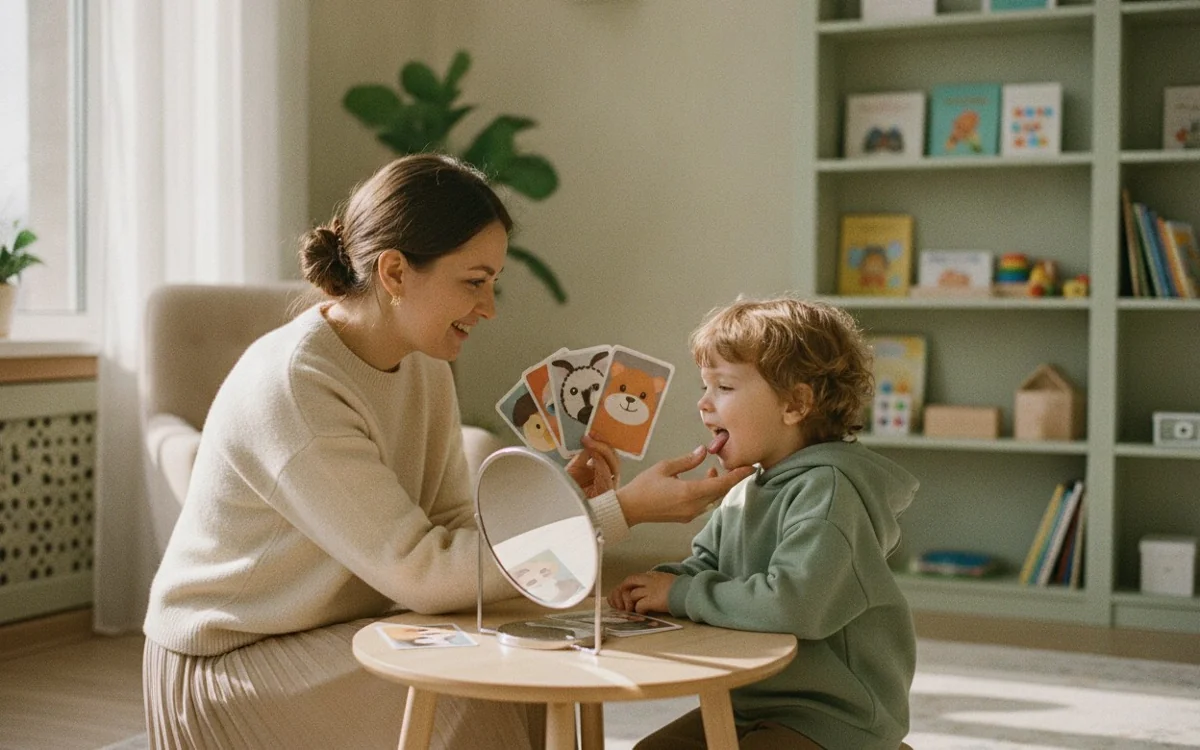
Dyslalia is the most common disorder, where a child distorts or replaces individual sounds despite normal hearing and intellect. Speech therapy lessons for children with dyslalia include articulation exercises, sound production (using probes or imitation), and automation in syllables, words, and speech. We produce sounds in this sequence: sibilants (S, Z, TS), hushing sounds (SH, ZH, CH, SHCH), sonorants (L, R). Speech therapy sessions with children take place 2-3 times a week for 45 minutes. The full cycle of producing and automating one sound takes 3-4 months. Importantly: if a child cannot pronounce 5-6 sounds, we work on them in parallel, not one by one.
Speech delay and speech initiation
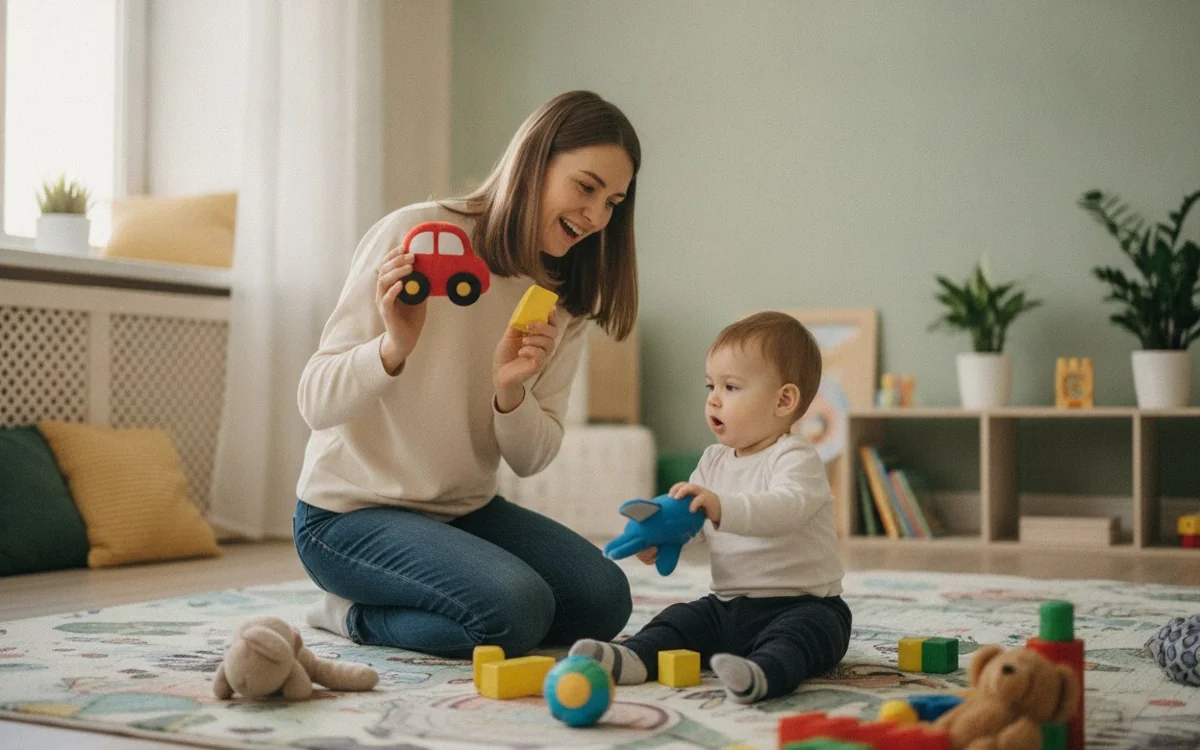
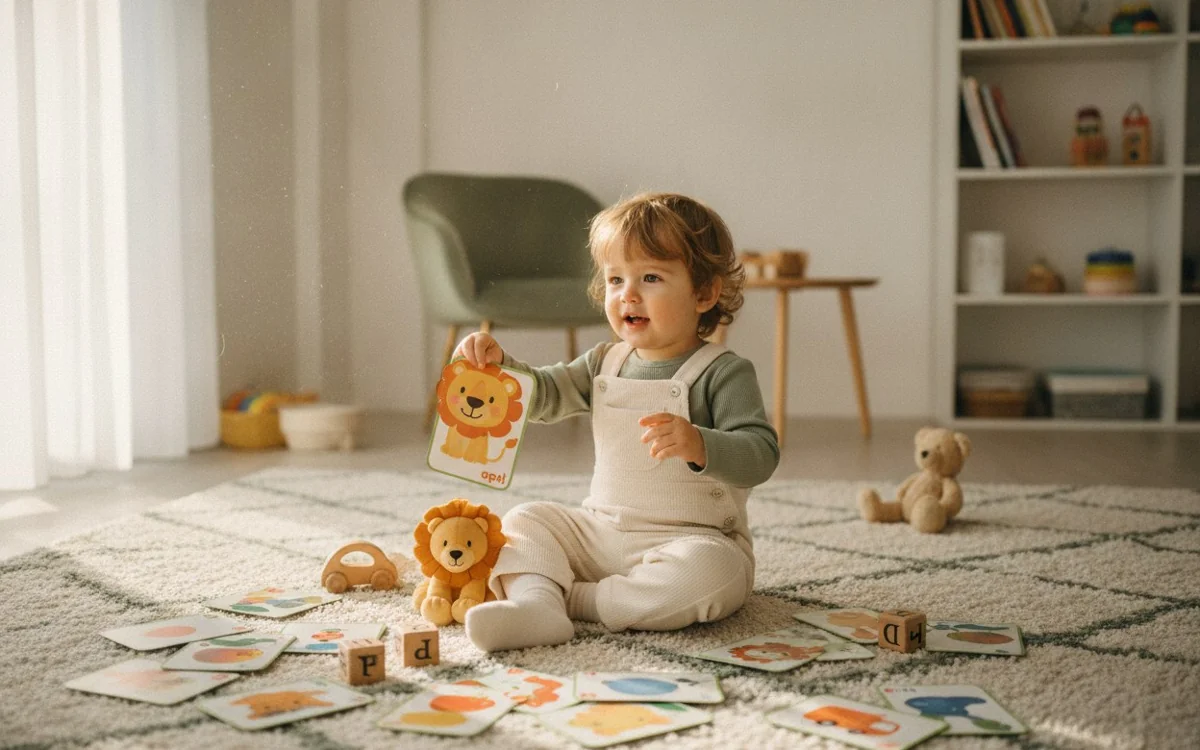
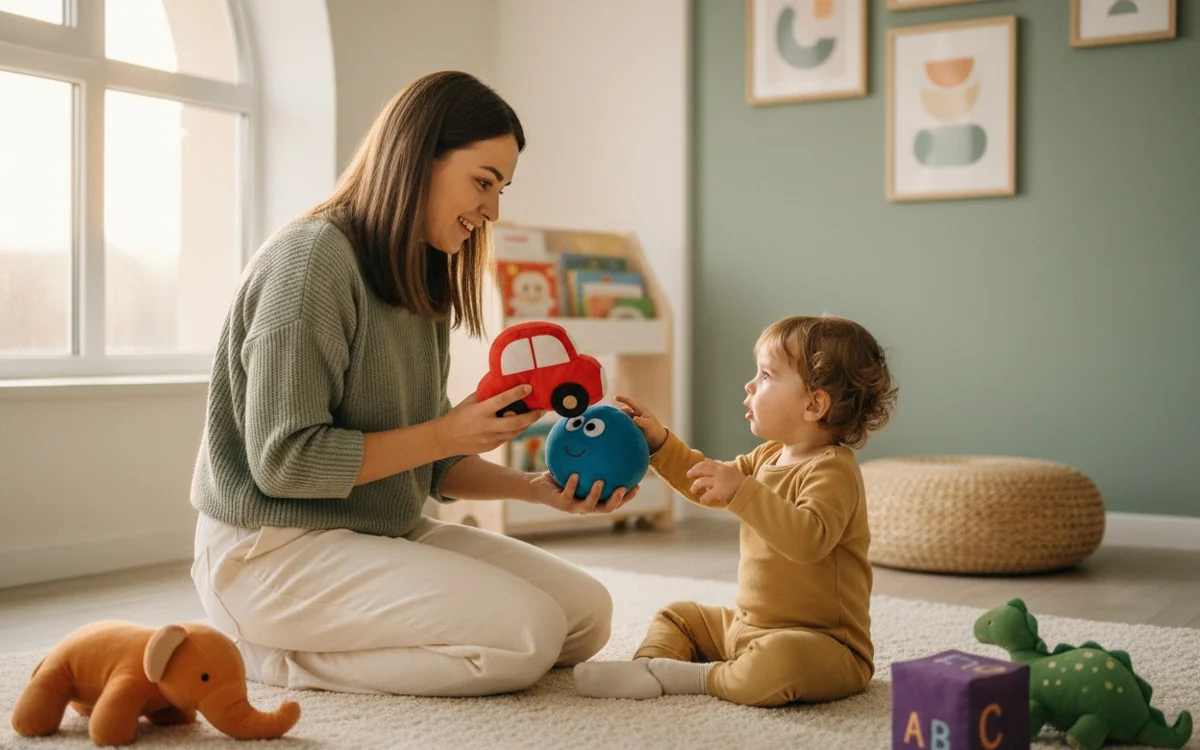
Speech therapy sessions with non-speaking children with delayed speech development involve a separate methodology. We don't require the child to repeat sounds; instead, we create situations where speech becomes necessary. We use PECS cards, gestures, and musical activities. A session with a non-speaking child begins with establishing contact: through play, tactile sensations, and favorite toys. Gradually, we introduce onomatopoeia (moo, beep-beep, knock-knock), then simple words. Sessions for non-speaking children at our center include speech therapy massage of the face and hands, breathing exercises, and games with sand and water. First results — the appearance of meaningful words — appear within 2-6 months. The earlier you start, the faster the progress.
Stuttering: speech therapy massage and correction
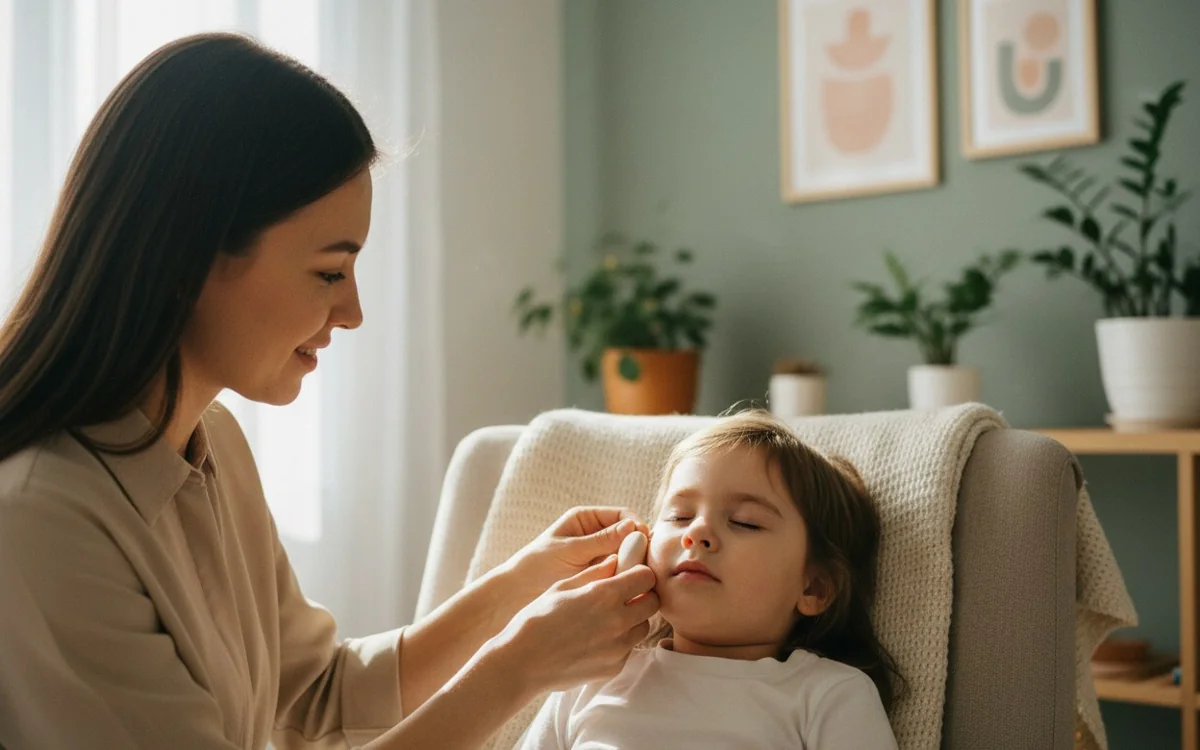
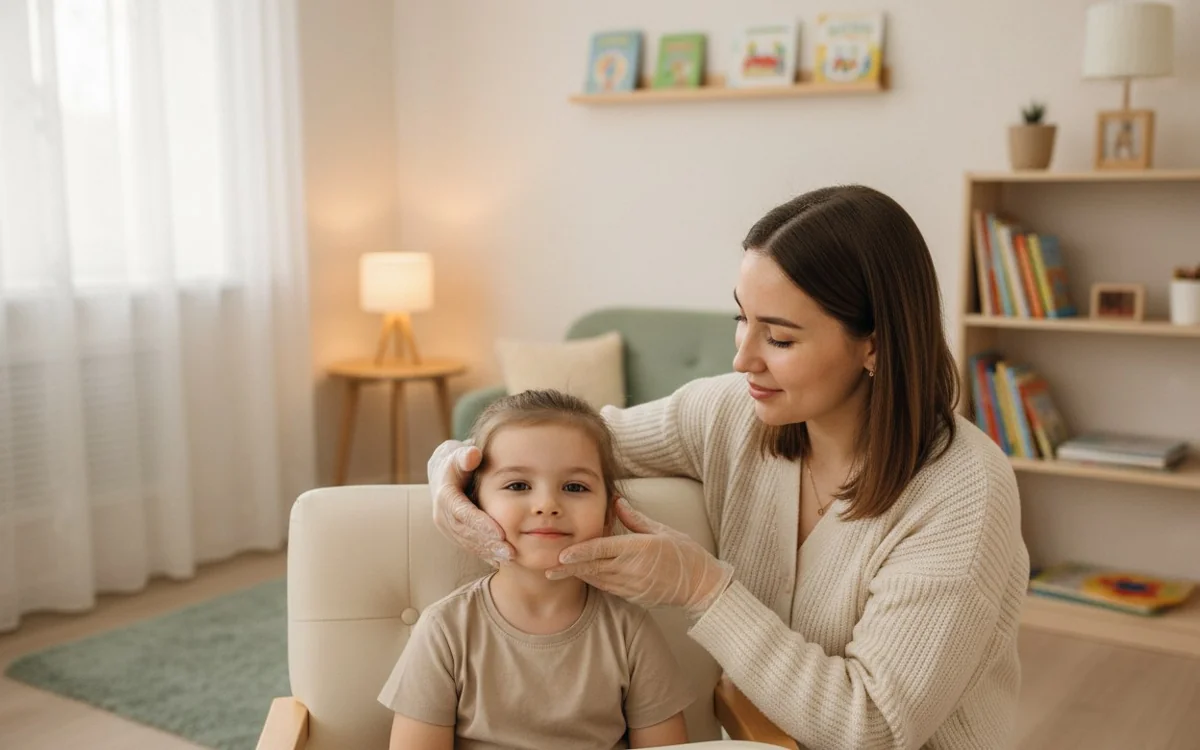
Stuttering is not just hesitations, but a disorder of the tempo-rhythmic organization of speech. An individual speech therapy session with a child who stutters includes three blocks: relieving muscle tension, normalizing breathing, and practicing smooth speech. Speech therapy massage for stuttering in children is a mandatory part of the work. We massage the muscles of the neck, shoulder girdle, and articulatory apparatus to relieve spasms. We supplement with vocal therapy and rhythmic games. Important: for stuttering, we work in tandem with a neurologist, as medication support is often needed. The average time for stable improvement is 6–12 months of regular sessions.
Dysarthria: signs and correction
Dysarthria is a speech sound disorder caused by problems with the innervation of the speech apparatus. The child speaks “slurred,” has a weak voice, drooling, and cannot lift their tongue up. Speech therapy sessions for children with dysarthria necessarily include speech therapy massage (probe and manual), passive and active articulation exercises. We work on breathing, voice, and prosody. Dysarthria requires longer correction — from 1 year to 2-3 years with systematic sessions. Children’s speech therapist services for dysarthria are always comprehensive: we coordinate work with a neurologist and sometimes with an orthodontist.
Developmental features: ASD, intellectual disability, FFND, Down syndrome, hearing impaired
Speech therapy work with children with ASD is based on a structured approach: visual schedule, clear instructions, working through the child's interests. We start with establishing contact and non-verbal communication. Speech therapy work with children with intellectual disability focuses on speech comprehension, expanding passive vocabulary, and eliciting simple onomatopoeia. Speech therapy work with children with FFND involves correcting phonemic processes: we teach them to distinguish sounds, divide words into syllables, and determine the position of a sound. Speech therapy sessions with children with Down syndrome include many repetitions, visual aids, and tactile stimulation. Speech therapy sessions with hearing-impaired children are conducted using hearing aids or cochlear implants, with an emphasis on developing auditory perception and speech intelligibility. For all these categories, we create an individual program based on the diagnosis and age.
How speech therapy sessions for children are conducted
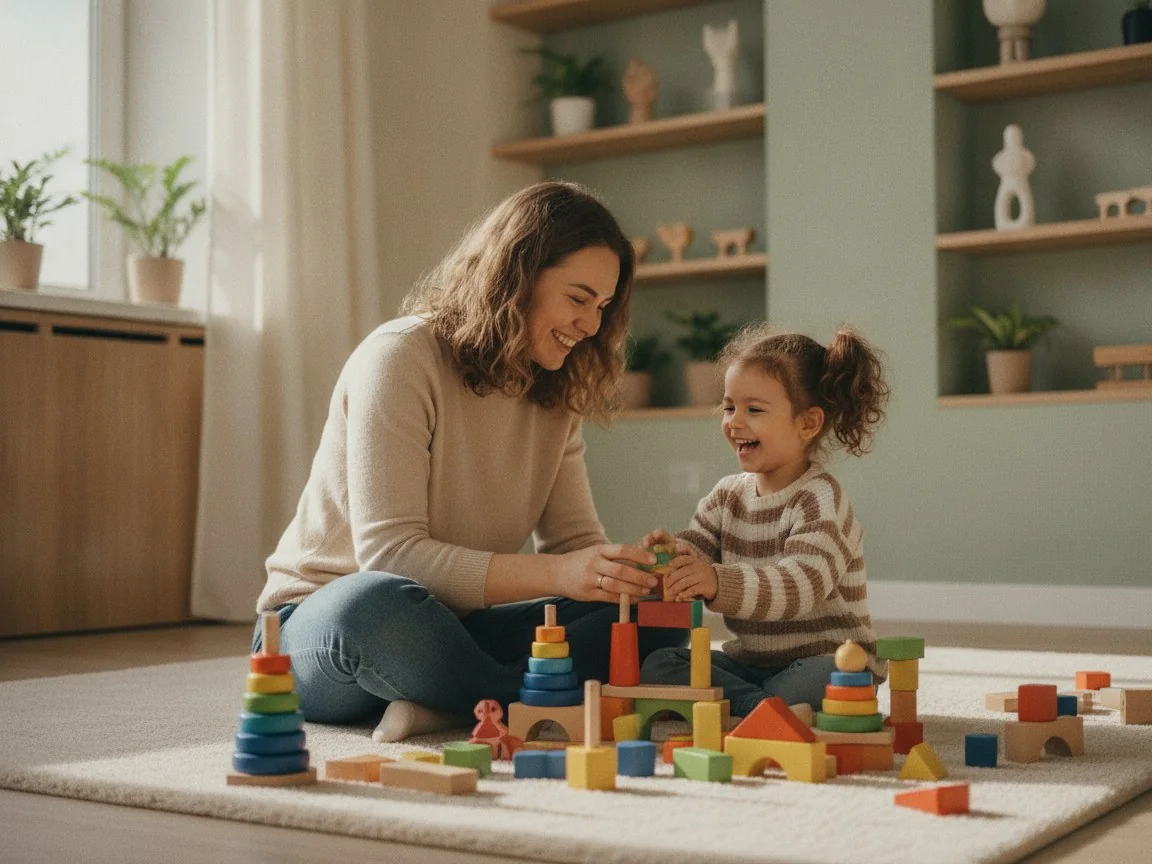
Every parent who comes to us for the first time is worried: how will the child perceive a stranger, will they be scared. I explain: the first speech therapy session with a child is an introduction, play, and stress-free assessment. We do not sit the child at a desk or demand they repeat sounds. Everything is built through activities natural for the child.
First session and diagnostics
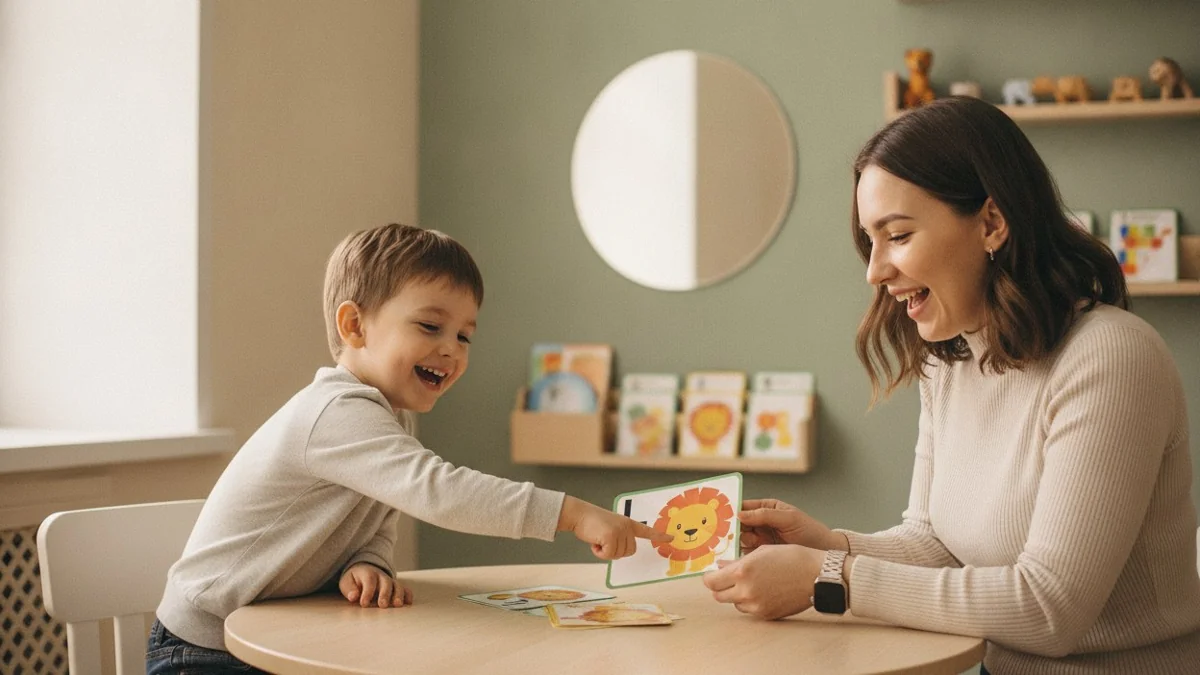
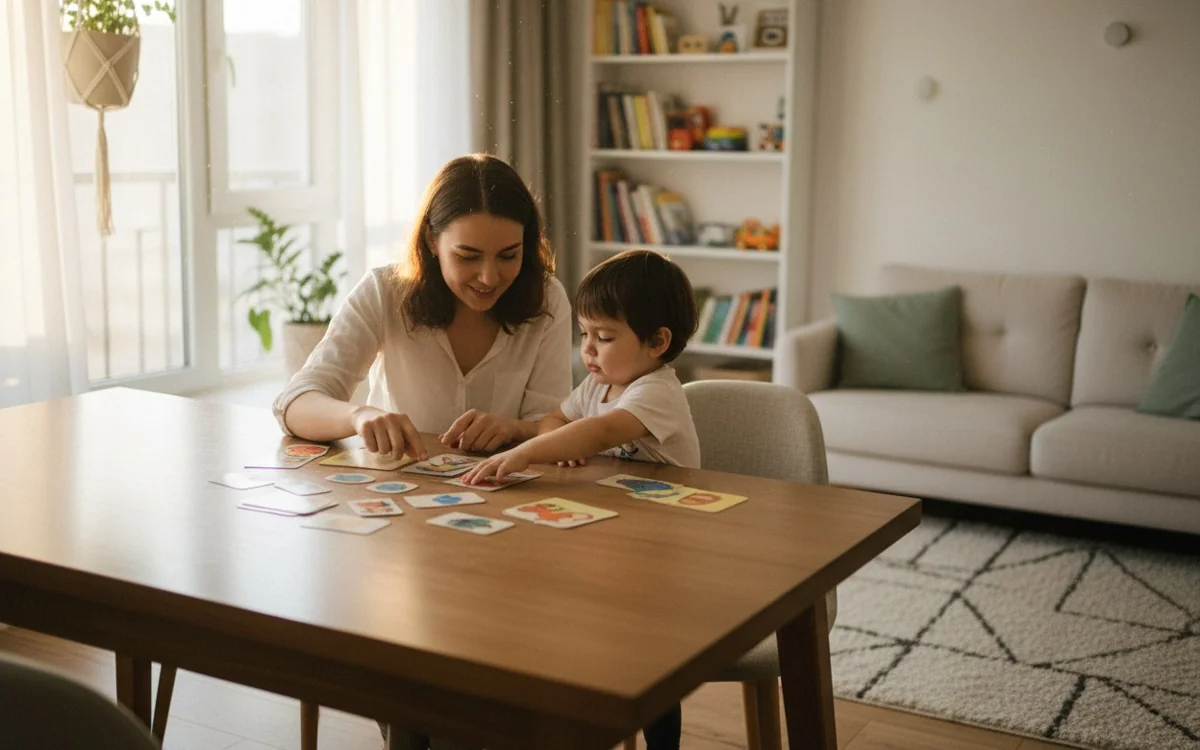
A child's first speech therapy session lasts 40–60 minutes. First, we get acquainted and play so the child gets used to the office and the specialist. Then the speech therapist conducts a quick assessment: checks speech comprehension, vocabulary, syllable structure, articulatory apparatus condition, and phonemic hearing. For non-speaking children, we use non-verbal tests and observation during play. After the assessment, we provide parents with detailed feedback: what was identified, the prognosis, and approximately how many sessions will be needed. The assessment is free — it is part of our children's speech therapy services because a plan cannot be made without it.
Individual correction plan
After the diagnosis, we create a plan for 1–3 months. The plan includes: the goal (e.g., producing the sound Ш or initiating phrasal speech), session frequency, methods, and homework. The plan is unique for each child: some need a focus on articulation, others on auditory development, and others on relieving muscle tension. An individual speech therapy session with a child is not a template, but a flexible program that is adjusted as progress is made. We review the plan every 1–2 months and discuss the dynamics with parents.
Structure of one session
A single speech therapy session for children at our center lasts 45 minutes and follows a clear structure:
- Greeting and warm-up (2–3 minutes).
- Articulation exercises or massage (5-7 minutes).
- Main part: sound production, development of phonemic awareness, work on syllable structure (20-25 minutes).
- Reinforcement game or logorhythmics (5–7 minutes).
- Farewell and praise (2-3 minutes).
For non-speaking children, the structure is more flexible: more play, sensory breaks, and activity changes. Sessions with non-speaking children may include elements of sensory integration.
The role of parents and homework
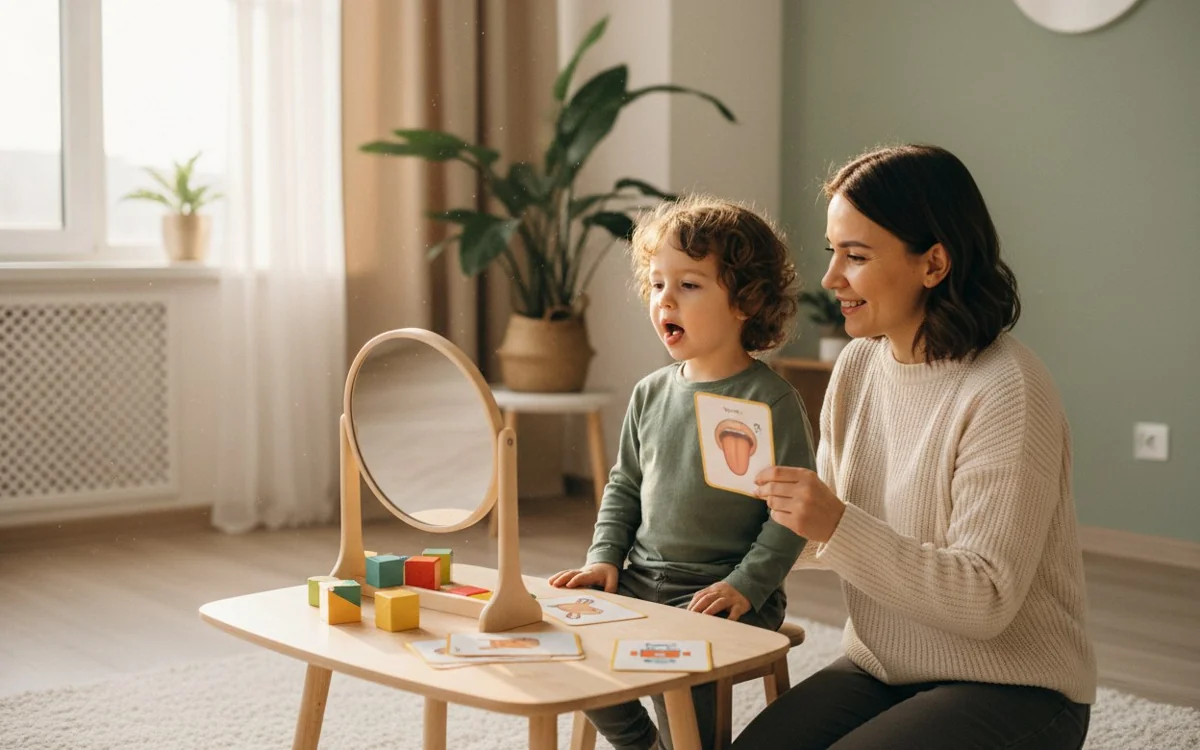
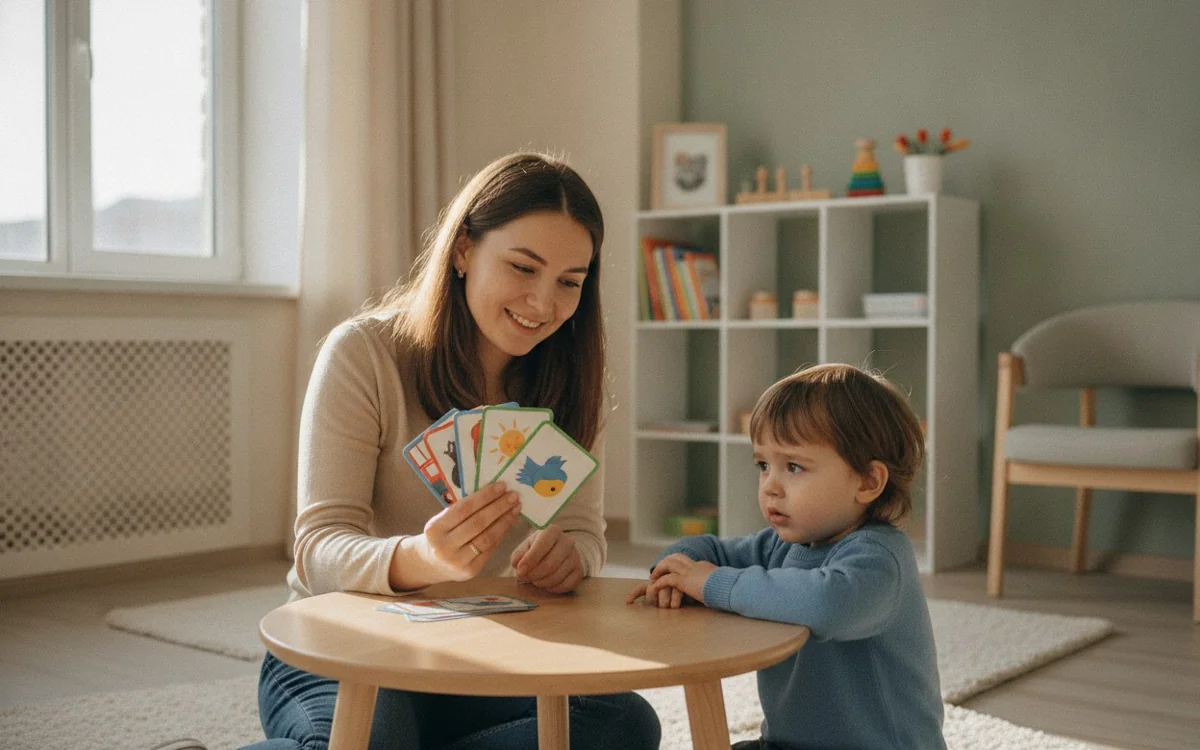
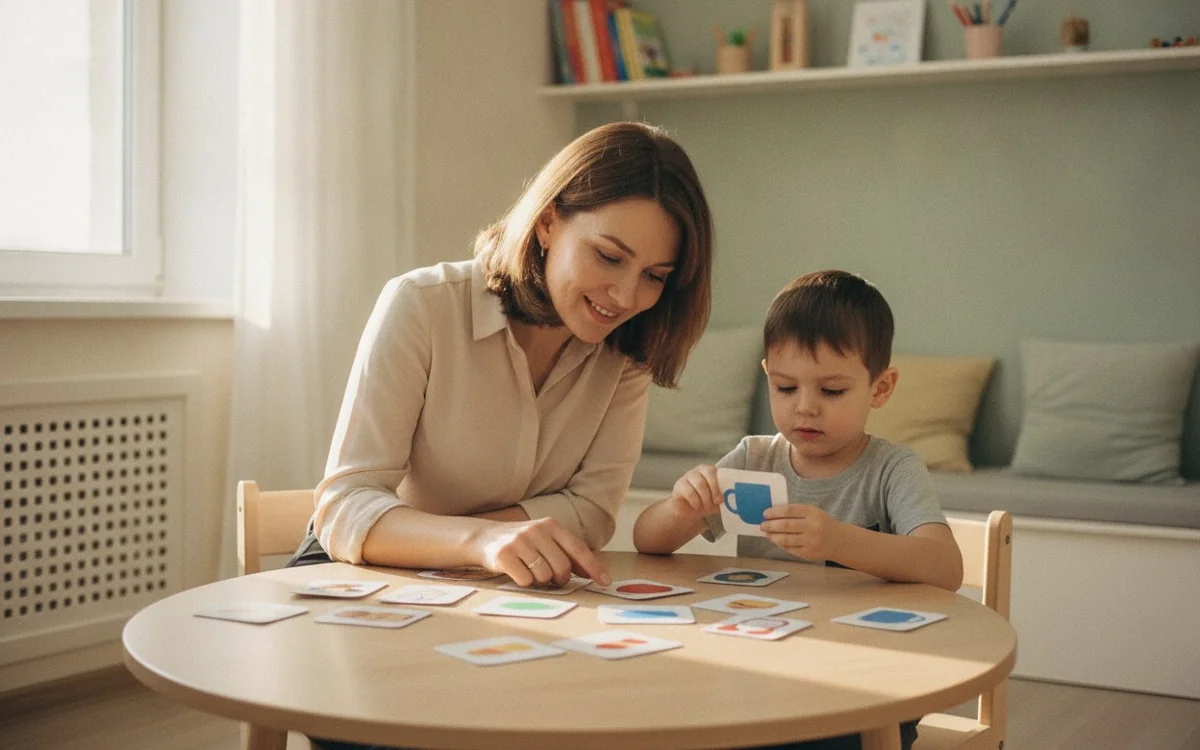
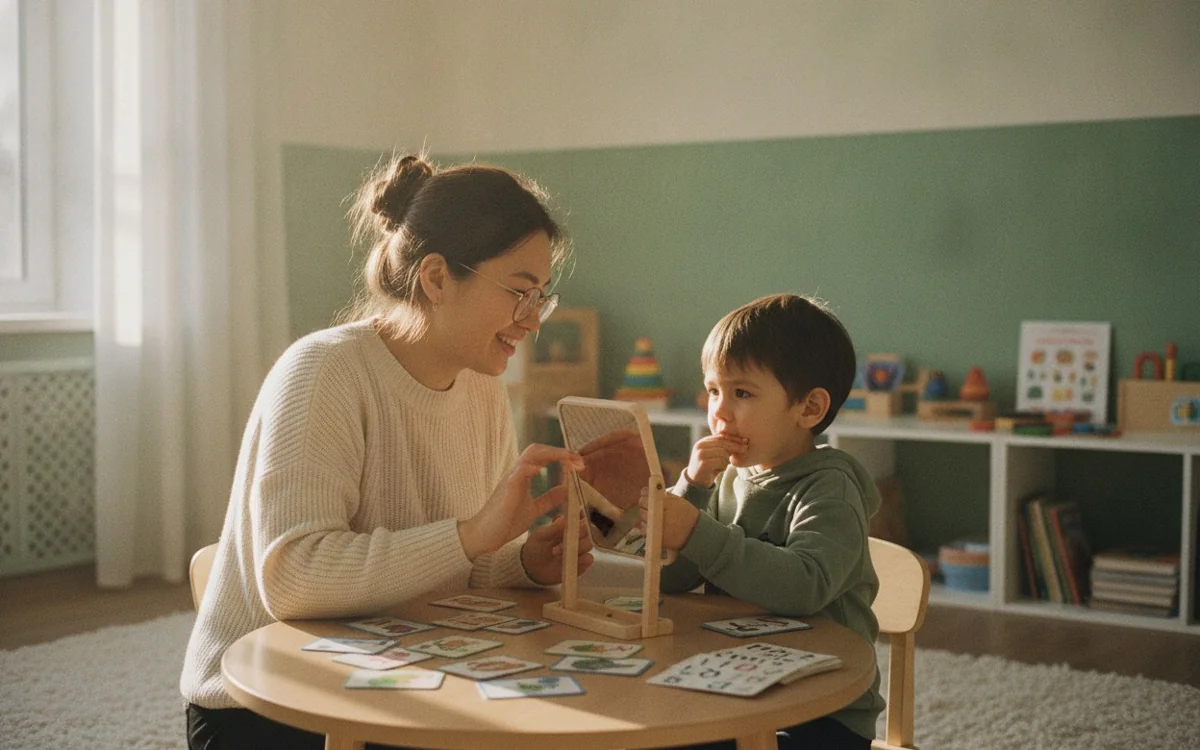
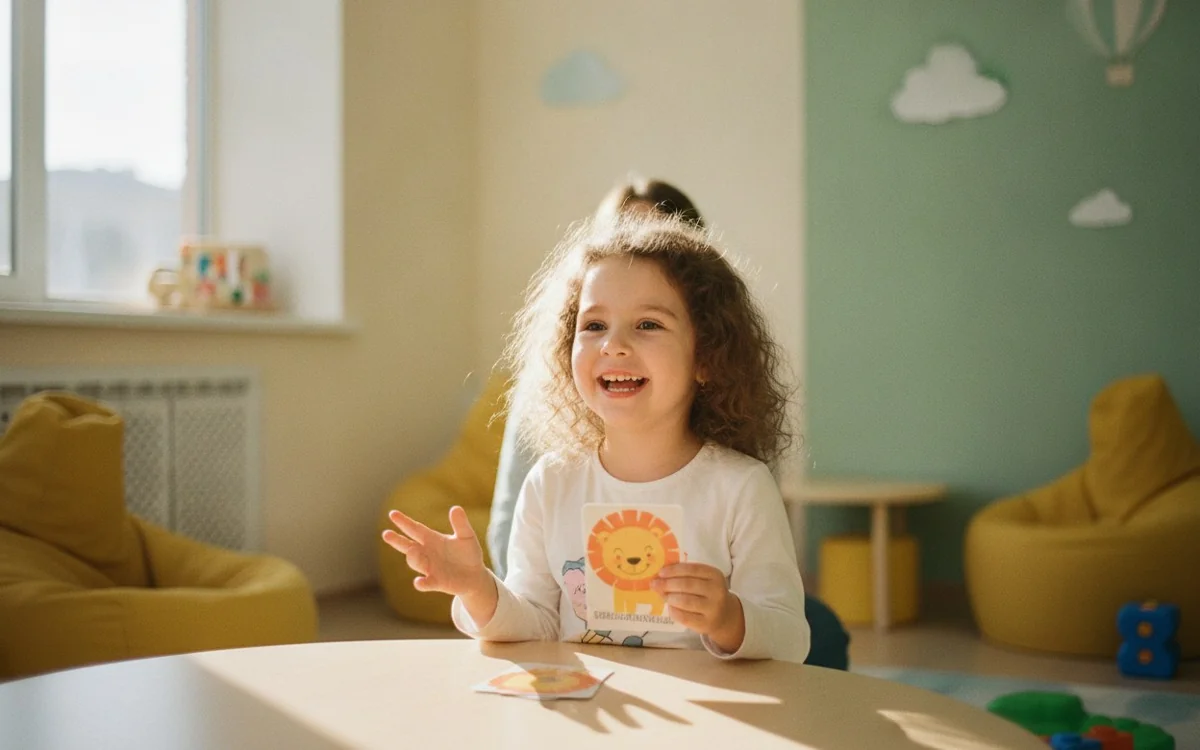
Without parental involvement, progress is 2-3 times slower. We give homework for 5-10 minutes a day: articulation exercises in front of a mirror, sound imitation games, breathing exercises. Tasks vary by age: for 2-year-olds — finger games and animal sounds, for 5-year-olds — tongue twisters and cards. We teach parents to do the exercises correctly, demonstrating ourselves. If the child doesn’t want to study at home — don’t force them, just play. Speech therapy lessons for children are effective only as a system: session at the center + 5-10 minutes at home daily.
Session formats: at the center, online, and at home
We understand that every family has its own rhythm of life. Some find it more convenient to visit the center, others live far away, and some need home visits. We offer three formats, each with its own features. The choice depends on the child's age, diagnosis, and logistics.
Classes at the center
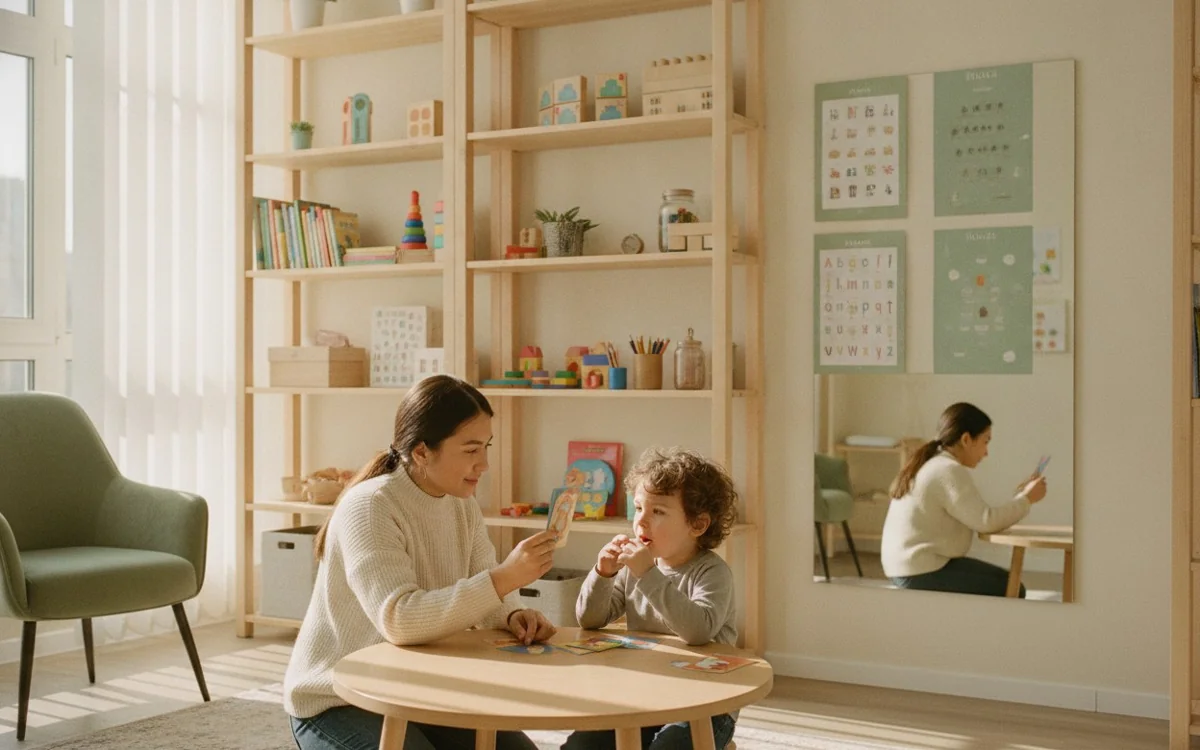
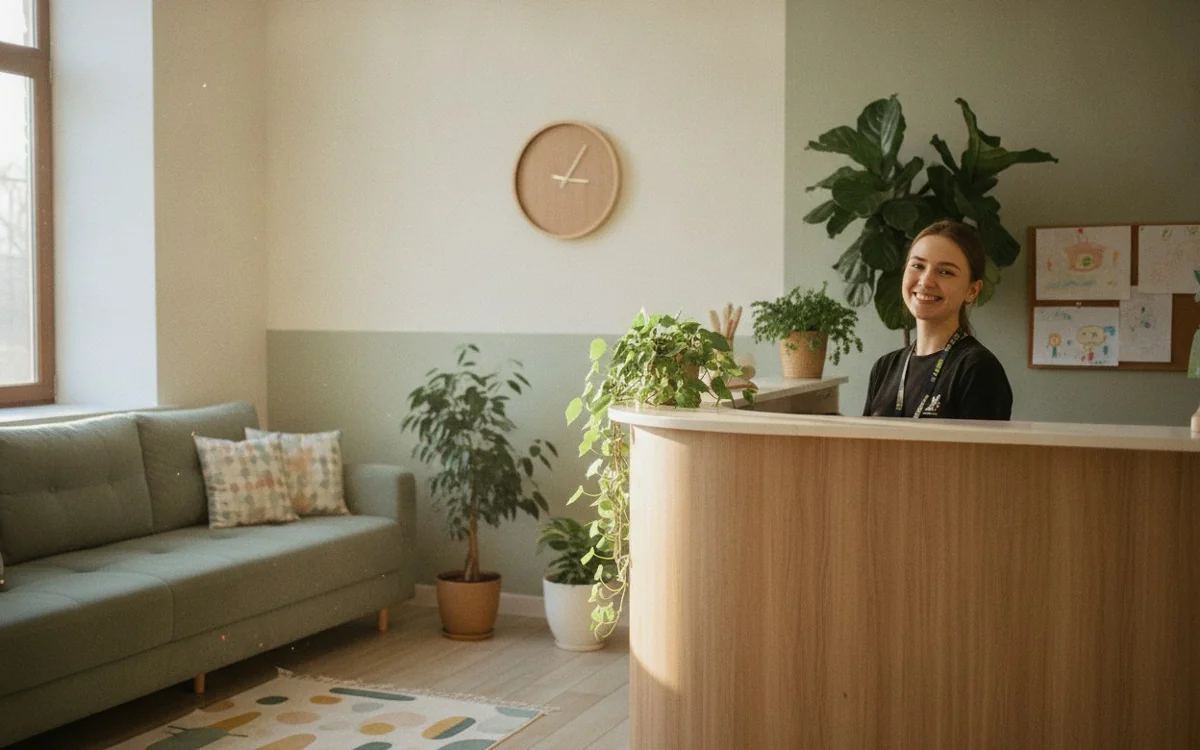
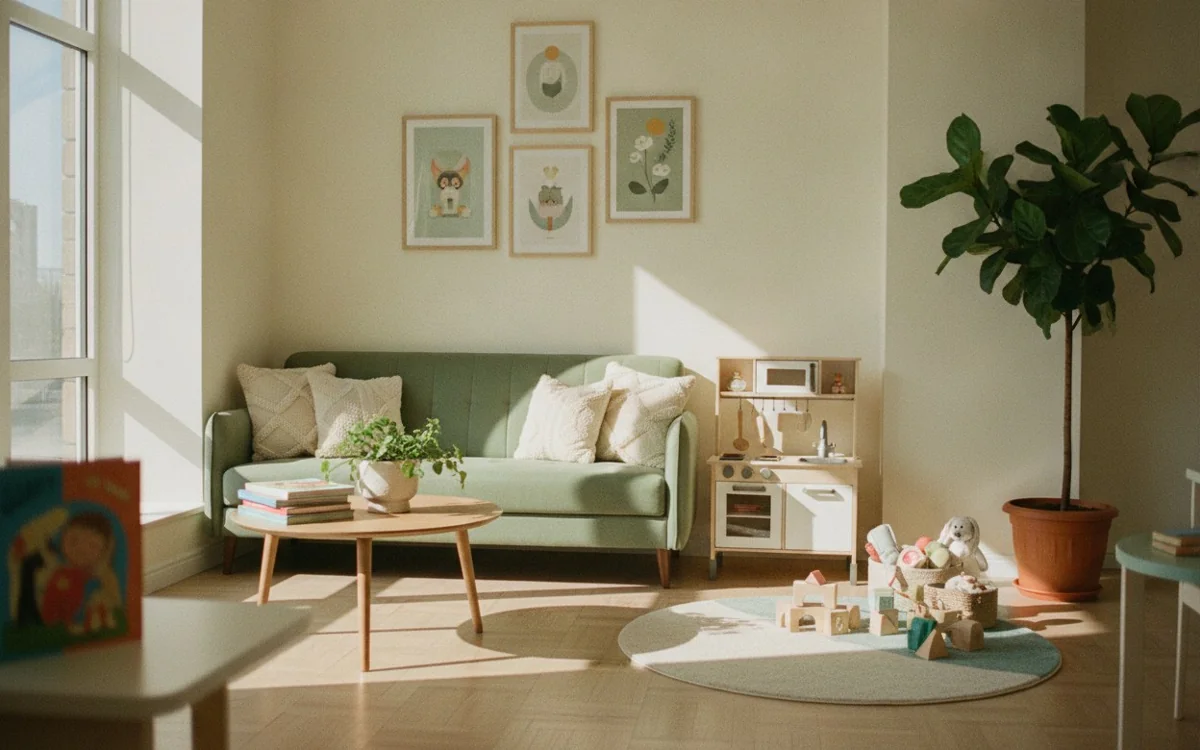
Our center is located in Almaty, in an area with convenient transport links. The office is equipped with everything necessary: mirrors, probes, didactic materials, sensory equipment. Speech therapy sessions with children at the center take place in a specially organized environment where nothing distracts the child. Plus: we can use speech therapy massage, probes, and computer programs. For children with ASD and stuttering, the center format is preferable, as it offers more opportunities for comprehensive work. When you are looking for a speech therapist for your child in Almaty, parents most often choose the center for its quality of equipment.
Online speech therapist for children
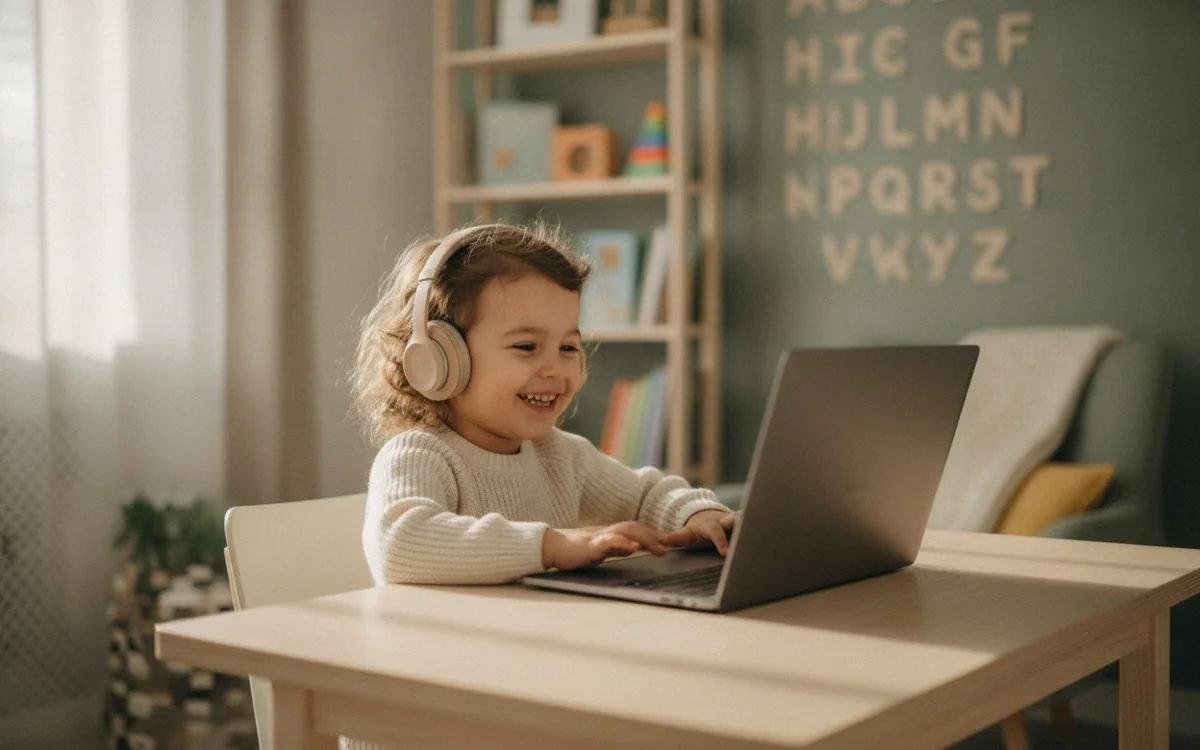
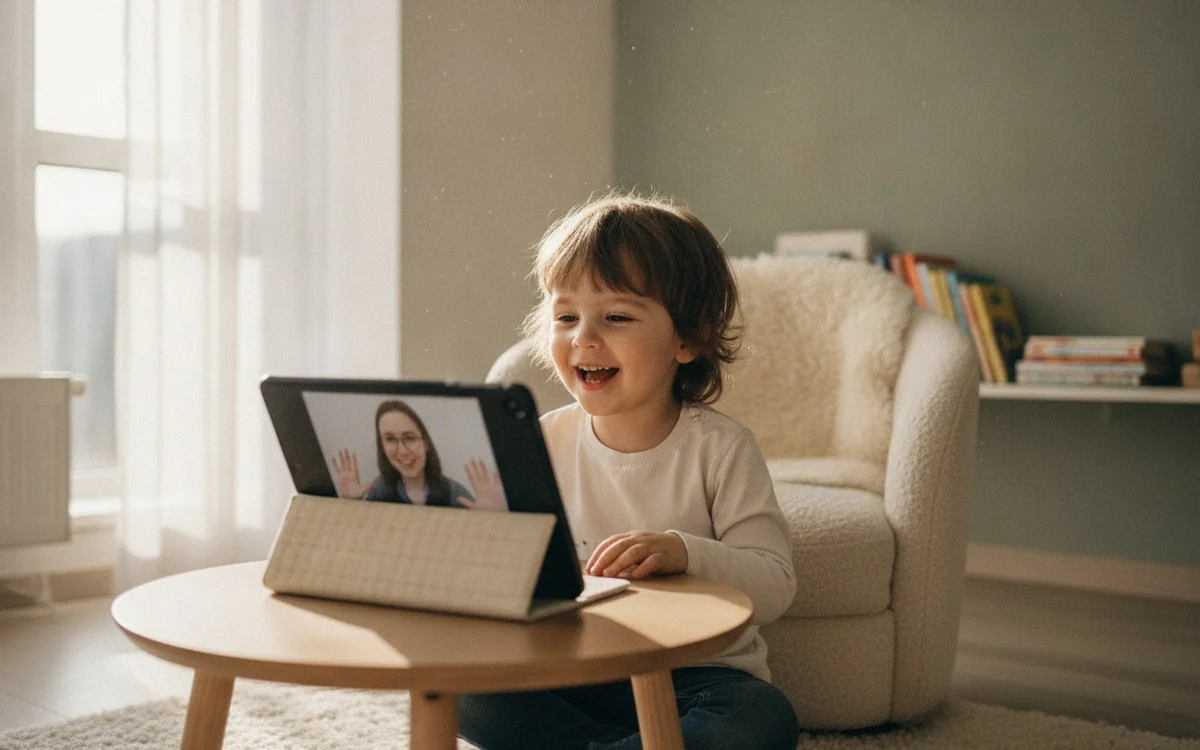
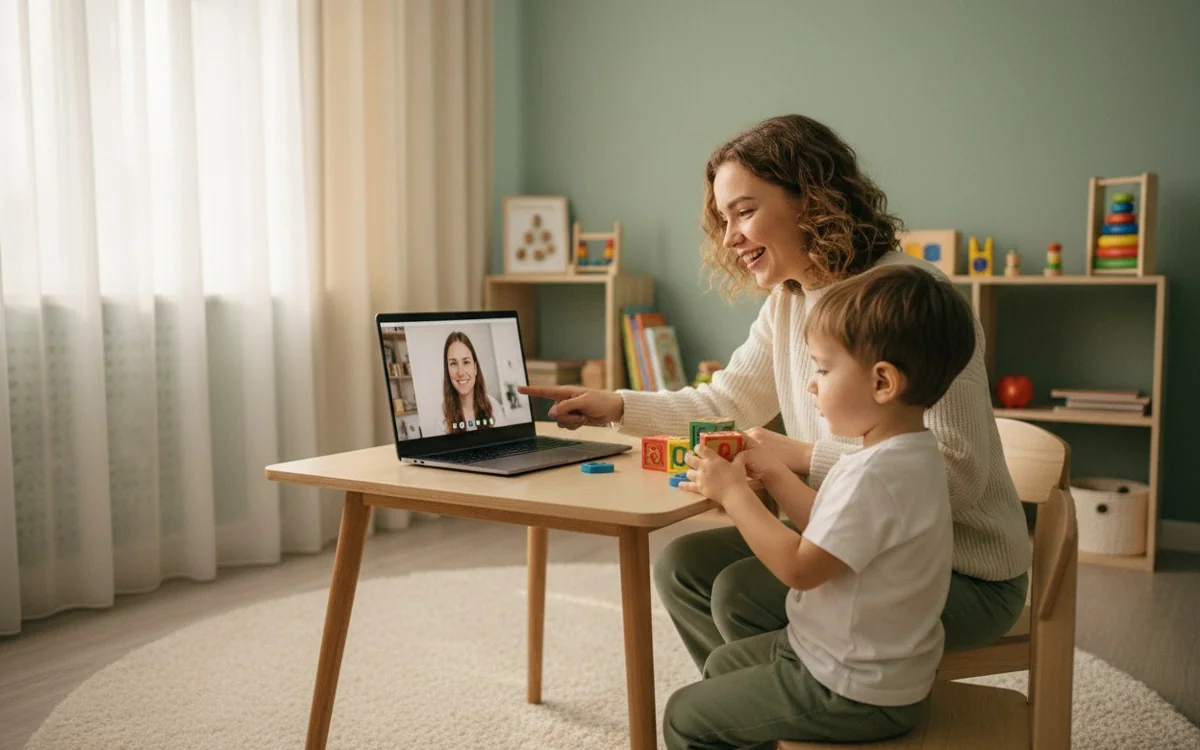
Online speech therapy for children is not a compromise, but a full-fledged format for children aged 4 and up. We work via Zoom using an interactive whiteboard, cards, and videos. An online speech therapist for children is effective for dyslalia, phonetic-phonemic underdevelopment, and school preparation. For non-speaking children and children with ASD, online is less suitable — they need tactile contact. Our online speech therapy for children lasts 30-40 minutes, with a parent nearby to help. We provide instructions for organizing the workspace: good lighting, quiet environment, camera at eye level. Online speech therapy for children is a good option for those living in the suburbs of Almaty or who are frequently ill.
Home visit
For families where the child has difficulty with travel or has behavioral issues, we offer home visits by a speech therapist. We travel to any district of Almaty: Alatau, Medeu, Bostandyk, Turksib. A speech therapy session with a non-speaking child at home can be more effective if the child is afraid of new surroundings. We bring all materials with us: toys, cards, probes. Downside: at home there are more distractions (TV, toys, family members). Sessions for non-speaking children at home require parents to organize the space: remove unnecessary items, turn off the TV.
Work with teenagers
A speech therapist for teenagers — a request that is becoming increasingly popular. At ages 12-16, speech issues can cause insecurity and bullying. We work with teenagers on diction, sound correction (often R, L), and stuttering management. A speech therapist for teenagers uses more mature methods: working with a microphone, audio recording, breathing techniques. Sessions are held 1-2 times a week for 45-60 minutes. Teenagers attend without parents, which boosts their motivation. A speech therapist for teenagers in Almaty is a sought-after service, especially among high school students preparing for presentations and exams.
How much do children's speech therapist services cost
We strive to make speech correction accessible for families in Almaty. Prices depend on the format and intensity. Below is a table with current prices.
| Session format | Duration | Where | Price (tenge) |
|---|---|---|---|
| Individual in-center sessions | 45 minutes | Our office | 5000 |
| Individual online | 40 minutes | Home | 4500 |
| Home visit | 45 minutes | Your Address | 7000 |
| Subscription for 8 sessions at the center | 45 minutes | Our office | 36000 (4500/session) |
| Package of 8 online sessions | 40 minutes | Home | 32000 (4000/session) |
| Assessment | 40-60 minutes | In-center or online | Free |
Single sessions and packages
A single speech therapy session for children costs 5000 tenge at the center. If you plan to attend regularly, it is more cost-effective to buy a monthly package (8 sessions) — saving 4000 tenge. The package is valid for 45 days, and missed sessions due to illness can be rescheduled. Children’s speech therapist services with a package also include phone consultations with parents and adjustments to homework. For children with severe disorders (ASD, dysarthria), we recommend a package of 12 sessions — this provides a stable schedule and a 15% discount.
Free assessment
We offer a free diagnosis to every new client. This is not a marketing gimmick, but a necessity: we need to understand what the issue is and decide if we can help. The first speech therapy session with a child in a diagnostic format lasts 40–60 minutes, and you receive a conclusion and recommendations. If we realize the problem requires a different specialist (neurologist, audiologist, psychologist), we honestly say so. Finding a speech therapist for a child in Almaty is easy, but finding one who tells the truth is harder. We don't charge for empty promises.
How to choose a children’s speech therapist in Almaty
Parents often ask me: "How can I avoid making a mistake?" The market for speech therapy services in Almaty is saturated, but not all specialists are equally competent. I will give six criteria that will help you find a speech therapist for your child with guaranteed quality.
- Education: A speech therapist must have a higher defectological or speech therapy education. Not philological, not pedagogical, but specifically correctional. Check the diploma.
- Experience with your diagnosis: Ask how many years the specialist has worked with non-speaking children or with stuttering. There are no universalists — each speech therapist excels in their own niche.
- Specialization: There are speech therapists who work on sound articulation, and those who jumpstart speech. A 2-year-old needs an early development specialist, while a teenager needs one for diction.
- Reviews and recommendations: Look for reviews on independent platforms, ask other moms in chats. Pay attention to specifics: do they mention progress, not just "good specialist."
- How the session goes: Ask to be present at the first session or watch a video. The speech therapist should play with the child, not sit at a table with a pointer. If the child cries or is afraid, this is not your specialist.
- Rapport with the child: A speech therapist knows how to find an approach to different children. If after 2-3 sessions the child attends with pleasure — you have found your specialist. Children's speech therapist Almaty should first and foremost be a friend, not a teacher.
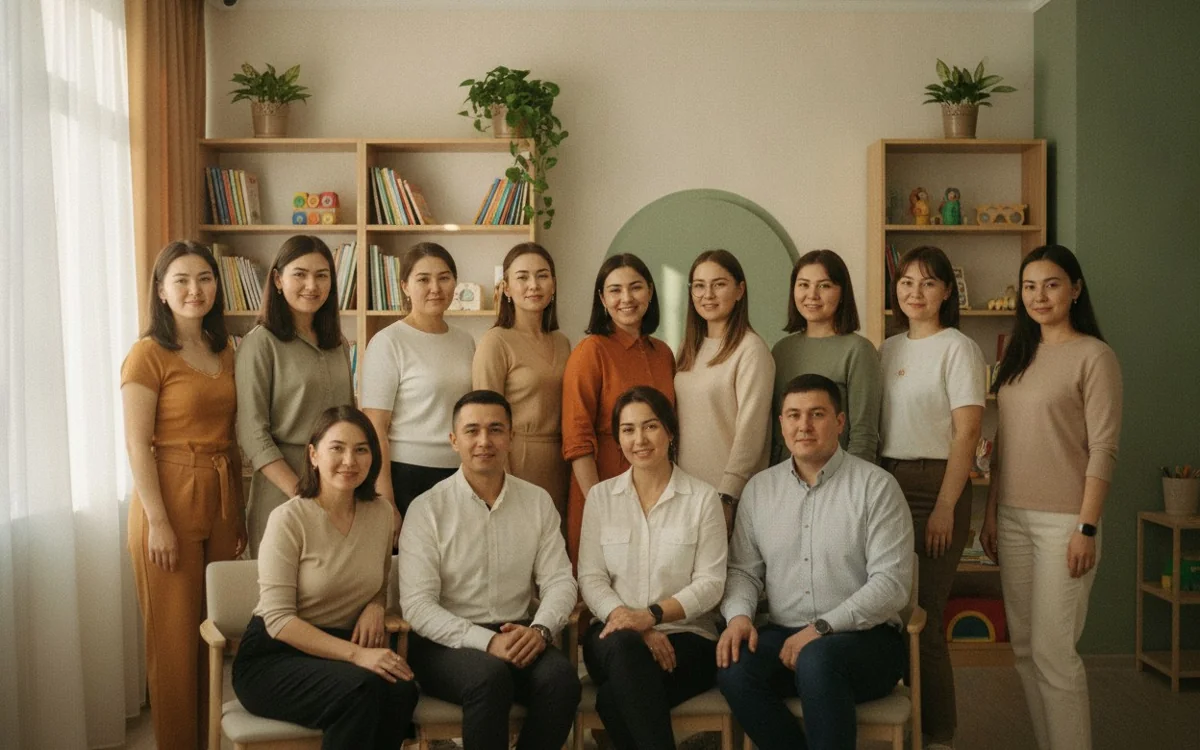
A children's speech therapist is not a magician, but a guide. We do not promise a miracle in one session, but we guarantee systematic work, transparent assessment, and honest feedback. If you are looking for a speech therapist for your child in Almaty, come to us for a free assessment. We will show you how sessions are structured and together decide which path is right for your child.